As the conflict between the US/Israel coalition and Iran enters its sixth day, the situation across the Middle East has become increasingly volatile. Reports indicate that Iranian drone and missile attacks have spread beyond initial targets, now involving regions like Azerbaijan, Qatar, and Bahrain, while retaliatory strikes continue to hit the Iranian capital, Tehran.
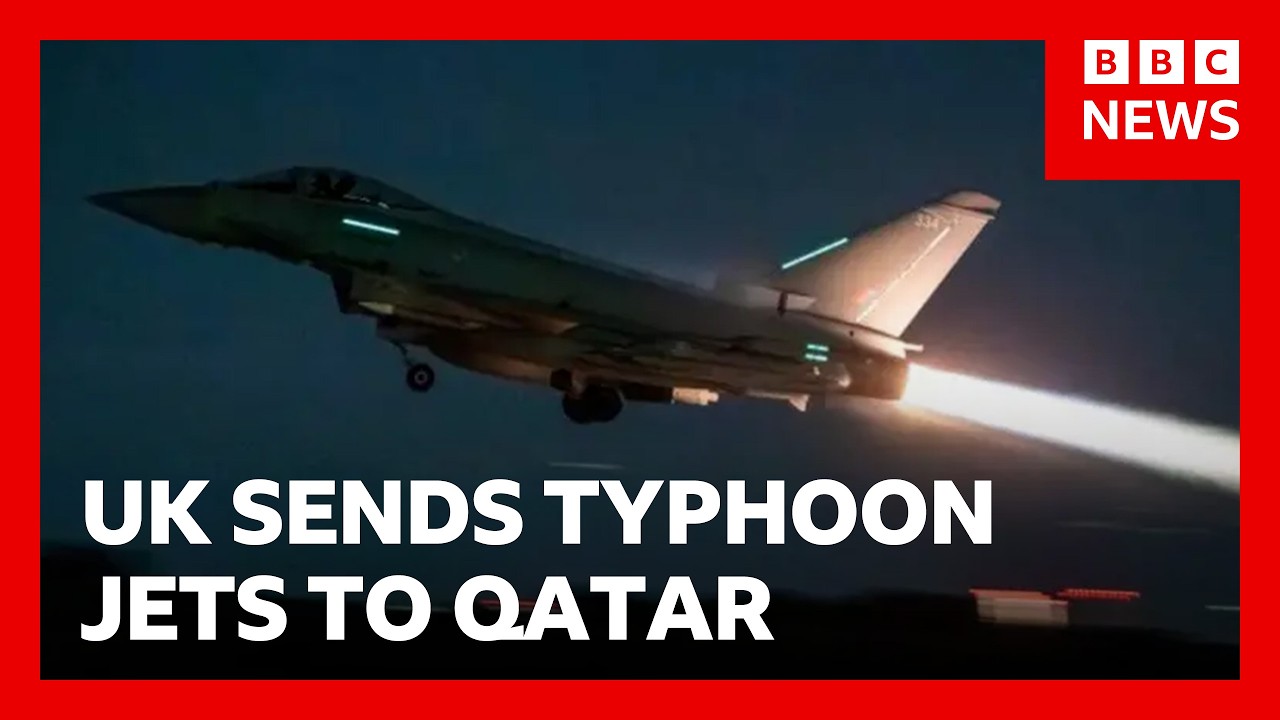
The UK has stepped up its defensive posture, with Prime Minister Keir Starmer announcing the deployment of additional Typhoon fighter jets to Qatar to strengthen regional security. Meanwhile, British military bases in Cyprus have faced direct alarms, underscoring the regional reach of the ongoing hostilities.
Beyond the immediate military engagement, the global economic impact is becoming severe. Key choke points like the Straits of Hormuz have seen a dramatic drop in tanker traffic, leading to skyrocketing insurance costs and market volatility. Wholesale gas prices in the UK have nearly doubled, sparking fears of a sustained energy crisis.
Inside Iran, the civilian experience remains harrowing. Internet shutdowns have hampered news flow, but messages from residents in Tehran describe a "tumult of emotions"—fear of continuous bombardment paired with a desperate hope for change, yet a profound desire that this change does not arrive through the devastation of war.
As diplomatic efforts continue, the conflict's reach—impacting everything from global food production to medical logistics hubs—highlights how interconnected and vulnerable our global systems remain during such crises. Stay informed on the latest developments in this rapidly evolving international situation.
